Bilirubin: the reason of jaundice
Bilirubin is a yellowish pigment that is a normal byproduct of the breakdown of old red blood cells. It travels through the bloodstream to the liver, is processed, and then excreted from the body in bile and stool. Elevated levels can indicate liver or gallbladder problems, or excessive red blood cell destruction.
HEALTH
Bilirubin Production and Function
Formation Approximately 80% of bilirubin is produced when old red blood cells, which have a lifespan of about 120 days, are broken down. Hemoglobin is metabolized into biliverdin, which is then converted into bilirubin.
Processing Unconjugated bilirubin (indirect) is initially water-insoluble and binds to albumin protein in the blood for transport to the liver. In the liver, it is converted into water-soluble conjugated bilirubin (direct) and becomes part of the bile fluid.
Excretion Most conjugated bilirubin is excreted into the intestines, where bacteria convert it into urobilinogen and stercobilinogen, which are then oxidized into stercobilin, giving stool its characteristic brown color. A small amount of urobilinogen is reabsorbed and excreted in the urine as urobilin, which gives urine its yellow color.
Health Benefits While often considered a waste product, studies suggest that mildly elevated bilirubin levels may have antioxidant properties and offer protection against conditions like cardiovascular disease and cancer.
Causes and Symptoms of Abnormal Bilirubin Levels
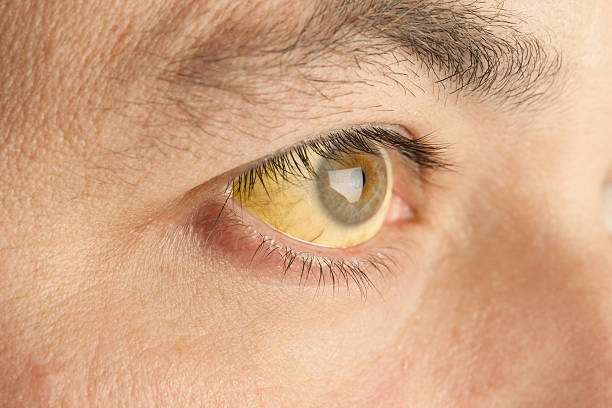
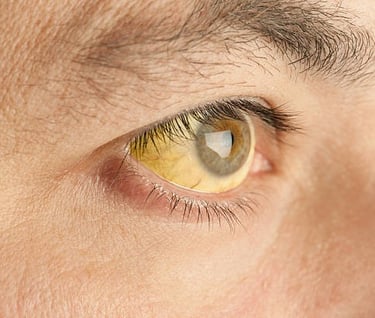
High bilirubin levels in the blood, known as hyperbilirubinemia, can lead to jaundice, a yellowing of the skin and eyes.
Elevated unconjugated bilirubin may indicate excessive red blood cell destruction (hemolytic anemia) or genetic conditions like Gilbert's syndrome, where the liver is less efficient at processing bilirubin.
Elevated conjugated bilirubin often suggests liver disease (such as hepatitis or cirrhosis) or blockages in the bile ducts (gallstones or tumors) that prevent proper excretion.
In newborns, jaundice is common and usually temporary because their livers are not yet fully developed. However, very high levels in infants can be dangerous and potentially lead to brain damage (kernicterus) if not treated with methods like phototherapy.
Symptoms of high bilirubin levels can include:
Yellowing of the skin and eyes (jaundice)
Dark or tea-colored urine
Pale or clay-colored stools
Fatigue, nausea, or abdominal pain (depending on the underlying cause)
If you notice symptoms of high bilirubin, such as jaundice, consult a healthcare professional for proper diagnosis and treatment.