"Global Energy Crisis: Russia and Argentina Step In to Secure India’s Fuel Supply Amid Hormuz Blockade"
The ongoing war between Iran and the US-Israel is having an impact on the entire world. This war has created a major crisis in the energy sector. Especially, the disruption in the Strait of Hormuz, which is considered an important energy corridor of the world, has had a severe impact on the supply of petrol, diesel and gas. However, India is ready to meet this crisis. After Argentina, now India's old friend Russia has come forward to meet India's energy needs.
NEWS
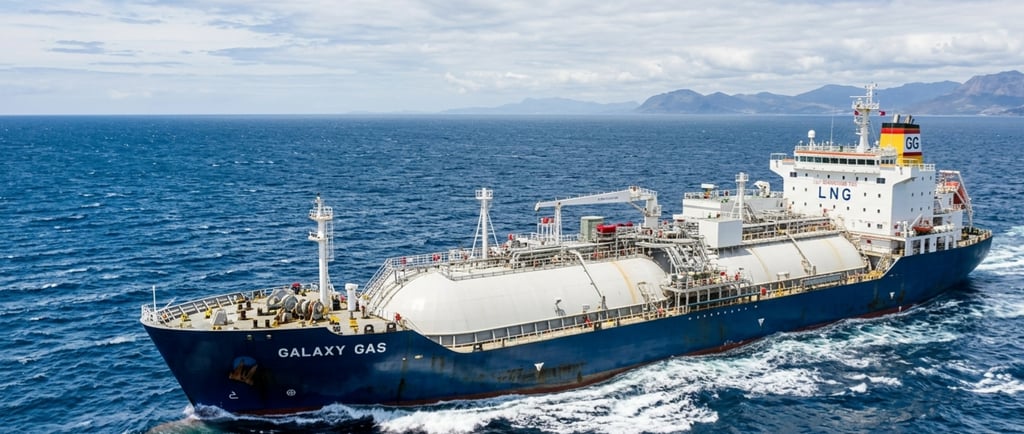
According to a report by the Russian news agency, talks between New Delhi and Moscow to increase the supply of LNG (liquefied natural gas) and LPG (liquefied petroleum gas) have reached a crucial stage. Given the growing demand for cooking gas (LPG) in India, Russia can emerge as an important supplier. Experts believe that this cooperation will keep the stoves burning in Indian homes despite the blockade of Hormuz.
Argentina creates history by helping India
As tensions in West Asia escalated, India was forced to find new routes for 60% of its LPG imports. At this time, the South American country Argentina, located 20,000 kilometers away, has come to India's aid. In the first three months of 2026 alone, Argentina has exported 50,000 tons of LPG to India, which is more than double the 22,000 tons sent in 2025.
Searching for alternative sources for energy security. Argentine Ambassador to India Mariano Agustin Cosino has said that his country is ready to play a major role in India's energy security. Ships are constantly leaving for India from Argentina's Bahia Blanca port. Before 2024, Argentina did not supply gas to India, but the changing geopolitical situation has brought the two countries closer.
India's forward-looking energy policy
The Indian government is currently entering into long-term agreements not only with Russia or Argentina, but also with other oil and gas-rich countries. The main objective of this strategy is to diversify energy sources, so that in the future, dependence on sensitive routes like Hormuz can be reduced. The participation of private and public sector companies will also be increased in these agreements.