Add your promotional text...
HIV virus
3/24/20261 min read
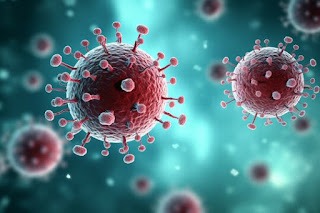
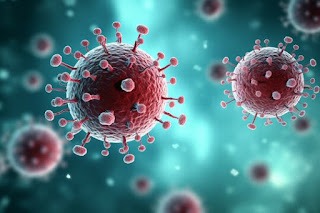
The human immunodeficiency virus (HIV) is a retrovirus that attacks the body's immune system by destroying CD4+ T-cells, which help the body fight off infections. Without treatment, HIV can lead to acquired immunodeficiency syndrome (AIDS)
The most common modes of transmission are:
Sexual Contact: Engaging in anal or vaginal sex without a condom or without the use of effective prevention medicine (like PrEP or treatment as prevention) carries the highest risk. Anal sex is the riskiest type of sexual activity for transmission.
Sharing Needles: Sharing contaminated needles, syringes, or other drug injection equipment with someone who has HIV is a high-risk activity, as these items may contain infected blood.
Mother to Child: An untreated HIV-positive mother can pass the virus to her baby during pregnancy, childbirth, or breastfeeding. The risk can be reduced to less than 1% if the mother receives antiretroviral therapy (ART) as prescribed.
Blood Exposure: Transmission through blood transfusions or organ transplants is extremely rare in countries with proper screening protocols. It can occasionally happen in healthcare settings through accidental needlestick injuries